The Science Behind Dental Implants in Calabasas CA
A dental implant looks deceptively simple once it is in place. From the outside, most people see a crown that resembles a natural tooth and assume the treatment is mostly cosmetic. The real story is far more interesting. A successful implant depends on biomechanics, bone physiology, materials science, precise imaging, surgical judgment, and careful healing over time. When all of those pieces line up, the result can feel remarkably close to getting a tooth back rather than just filling a gap.
That is one reason the discussion around Dental Implants Calabasas CA often goes beyond appearance. Patients in Calabasas are rarely looking for a generic fix. Many want a restoration that functions well during long workdays, photographs naturally, and holds up through years of everyday chewing. Others are active adults who care about preserving bone and avoiding the looseness that can come with removable appliances. Behind each of those goals is a body of science that guides how implants are planned and why they work.
What an implant really is
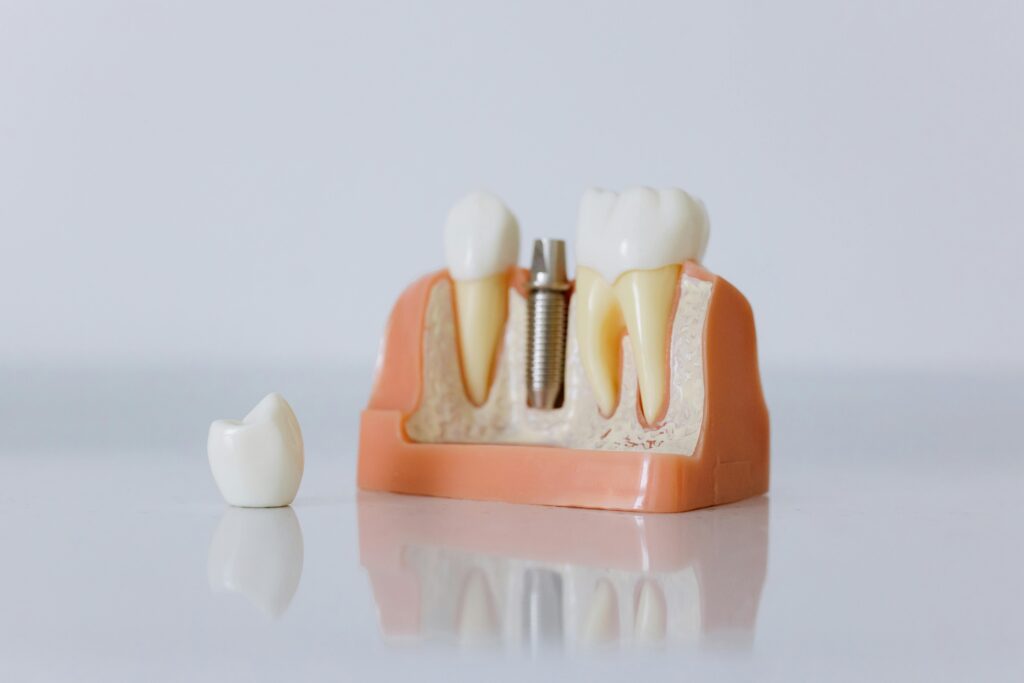
An implant is not the visible tooth. It is the titanium or titanium alloy fixture placed into the jawbone to serve as an artificial tooth root. Above that sits an abutment, which connects the implant to the final restoration, and then a crown, bridge, or denture component that does the visible work.
That structure matters because each piece solves a different biological and mechanical problem. The implant body must achieve initial stability in bone at the time of placement. The surface of that implant must encourage bone cells to attach and mature. The abutment connection must resist micromovement and help maintain healthy soft tissue. The crown must be shaped so it looks right, cleans well, and distributes force without overloading the system.
When people hear that an implant is “fused” to the bone, the term refers to osseointegration. This is the process in which bone grows directly against the implant surface with no intervening soft tissue layer. It does not happen overnight. The Dental Implants Calabasas CA first stability comes from the mechanical engagement of the implant threads with bone. Over the next weeks and months, that mechanical stability transitions into biological stability as new bone remodels around the implant.
Why titanium changed restorative dentistry
Titanium became the standard for a reason. It is strong, corrosion resistant, and highly biocompatible. One of its most useful traits is that it forms a stable oxide layer on its surface. That oxide layer plays a role in how the body tolerates the material and how bone can integrate with it.
The implant surface itself is not usually polished smooth. Modern implants often have textured or treated surfaces designed to increase microscopic surface area and improve bone response. Think of it less like putting a screw into a plain block of wood and more like creating a controlled environment where cells can attach, deposit matrix, and remodel with predictable strength.
In practice, that science matters most in areas where bone is softer or thinner. Posterior upper jaws, for example, often have less dense bone than the front lower jaw. An implant with the right design, diameter, thread pattern, and surface characteristics can improve the odds of good early stability in those more challenging sites. That does not replace surgical skill, but it gives the biology better conditions to succeed.
Bone is living tissue, not a wall anchor
One of the biggest misconceptions about implants is that the jawbone acts like drywall. It does not. Bone is dynamic tissue under constant turnover. It responds to stress, blood supply, inflammation, and overall health. After a tooth is lost, the surrounding alveolar bone begins to resorb because it is no longer stimulated in the same way by a natural tooth root and periodontal ligament.
That bone loss is one of the strongest scientific arguments for replacing a missing tooth sooner rather than much later, when appropriate. In the first year after extraction, dimensional changes in the ridge can be noticeable, especially on the outer facial side. That means the bone available for an implant may shrink in width and height if the site is left alone for too long. This is why many treatment plans include ridge preservation grafting after extraction, even when an implant will not be placed immediately.
Bone quality also varies from person to person and from one area of the mouth to another. A younger patient with thick cortical plates and robust trabecular bone often presents a different surgical picture than an older patient who has worn a partial denture for years. Neither case is automatically easy or difficult. They are simply different, and the science of implant planning respects those differences.
The role of 3D imaging in precision
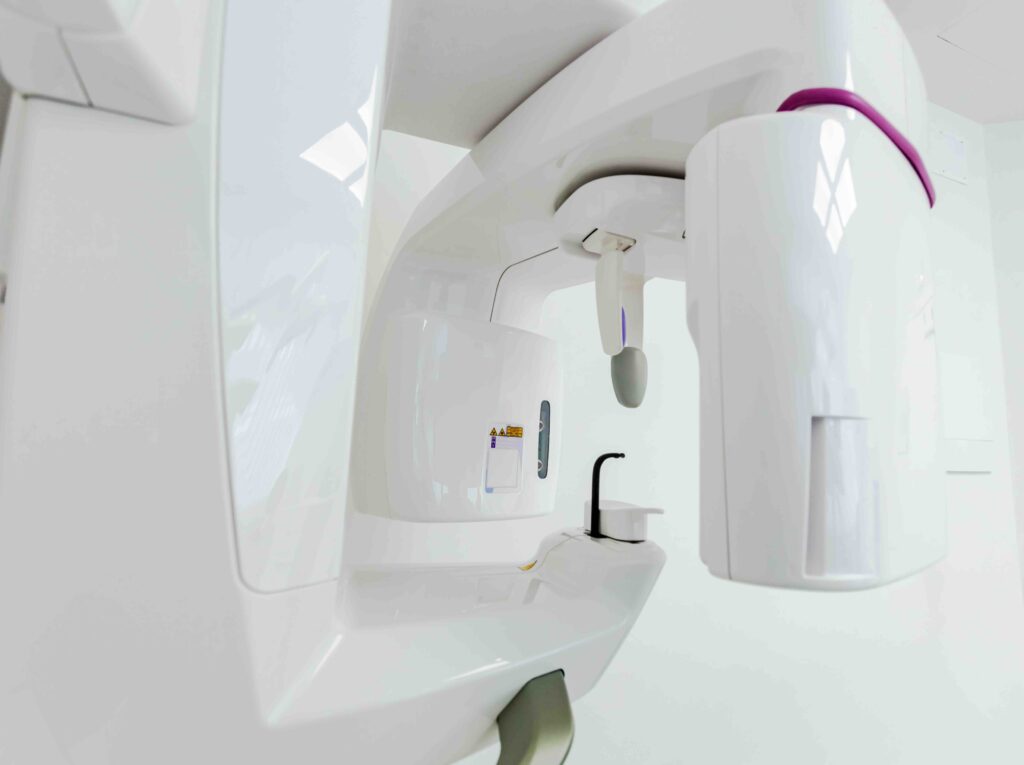
Traditional dental radiographs still matter, but implant planning has been transformed by cone beam computed tomography, often called CBCT. A two-dimensional image can show height and general anatomy. A CBCT scan shows width, angulation, bone contours, and the location of important structures such as the inferior alveolar nerve or the maxillary sinus.
That extra information changes treatment decisions in very practical ways. A site that looks adequate on a simple film may reveal a narrow ridge on three-dimensional imaging. A front tooth area may look straightforward until the scan shows a facial bony deficiency that would affect esthetics. In the posterior maxilla, the sinus floor position may determine whether an implant can be placed directly or whether grafting is needed first.
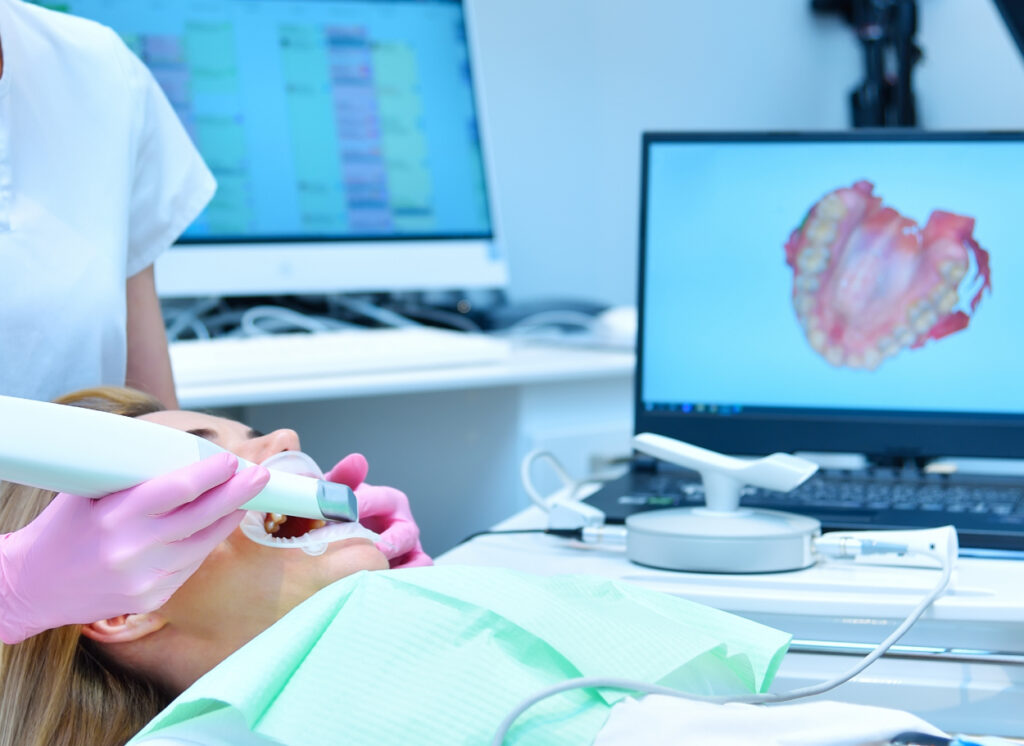
In well-planned cases, digital records can also help design surgical guides. These guides are not magic, and they do not replace sound clinical judgment, but they can improve accuracy when used appropriately. Implant position is not just about fitting the implant into bone. It is also about emerging the future crown through the gum tissue in a way that looks natural and is easy to clean. A millimeter in the wrong direction can be the difference between a restoration that disappears into the smile and one that feels bulky or traps food.
Osseointegration, healing, and the clock patients do not see
Healing is where the science becomes personal. Patients often focus on the surgery day, but from a biological standpoint, that is just the start. After placement, the surrounding bone enters a remodeling phase. There is an inflammatory response, then repair, then maturation. During that period, the implant is vulnerable to excessive micromotion. Too much movement too soon can interfere with osseointegration and lead to fibrous tissue rather than direct bone contact.
This is one reason loading protocols vary. Some implants can support a temporary restoration quickly, especially when the implant is very stable at placement and the forces are carefully controlled. Other situations call for a more traditional healing phase before the tooth is attached. Immediate placement and immediate provisionalization can work beautifully in select cases, particularly in the front of the mouth, but they are technique-sensitive. The site anatomy, soft tissue condition, bite forces, and patient habits all matter.
Many patients are surprised to learn that the bone around an implant continues to adapt after it appears “done.” The goal is not merely to get an implant integrated. The goal is to maintain a stable bone crest and healthy soft tissue architecture over years of function.
Why gums matter almost as much as bone
Implant science is often discussed as if the bone does all the important work. Bone matters enormously, but soft tissue is what frames the restoration and protects the deeper structures. Thick, healthy keratinized tissue tends to be easier to maintain and often more resilient over time. Thin tissue can still work, but it may be more prone to recession or show metal components underneath in esthetic zones.
This is especially relevant in visible areas. A front implant can be fully integrated and still disappoint a patient if the gum margin is uneven or the papillae between teeth do not fill in naturally. Skilled implant treatment planning looks beyond survival and focuses on appearance, cleansability, and long-term tissue stability.
There is also a microbiological side to this. Implants do not get cavities, but they can develop inflammatory conditions. Peri-implant mucositis involves inflammation in the soft tissue around the implant. Peri-implantitis includes inflammation with bone loss. Plaque control, restoration design, and regular professional maintenance all play roles in prevention. A crown that looks beautiful but traps cement or blocks floss access is not a scientific success, no matter how good it looked on delivery day.
Bite force, design, and engineering under pressure
Chewing creates force in multiple directions. Molars see heavier loads than front teeth. Patients who clench or grind can generate forces that exceed what most people realize, especially during sleep. Implants lack the periodontal ligament found around natural teeth, so they do not have the same shock-absorbing and proprioceptive qualities. That changes how force is transmitted to bone.
For that reason, occlusion is not an afterthought. It is part of the science. The width of the crown, the angle of the implant, the cusp design, contact points, and whether the patient has parafunctional habits all influence longevity. A narrow implant asked to support a broad molar crown in a heavy grinder presents a different risk profile than an implant supporting a lower incisor in a balanced bite.
This is where experience matters. Sometimes the best treatment is not a single implant replacing every missing tooth one by one. In certain situations, splinting implants in a bridge, changing the restorative material, using a night guard, or redesigning the bite can create a more durable result. Biology sets the limits, and engineering works within them.
When bone grafting enters the picture
Not every jaw is ready to receive an implant immediately. Bone grafting is common, and for good reason. After extractions, trauma, infection, or long-term tooth loss, the ridge may be too narrow or too short for ideal implant placement. In the upper back jaw, sinus expansion can limit available bone height.
Grafting can help rebuild volume or preserve it. The exact material and technique depend on the defect. Some grafts are intended mainly to maintain space and support new bone formation. Others are used in more complex defects that need membranes or staged reconstruction. The point is not to “pack in material” and hope for the best. The point is to create a biologically favorable scaffold while preserving blood supply and stabilizing the site.
Patients sometimes worry that needing a graft means something has gone wrong. Usually it means the planning is thorough. In many well-managed cases, adding a graft is what makes the implant better positioned and more predictable in the long run.
Who tends to be a good candidate
Candidacy is broader than many people think, but it is not automatic. Age alone is rarely the issue. Overall health, habits, anatomy, and oral hygiene matter more.
- Adequate bone volume, or the ability to rebuild it predictably
- Healthy gums or periodontal disease that has been brought under control
- Good daily plaque control and willingness to attend maintenance visits
- Medical conditions that are stable enough for surgery and healing
- Realistic expectations about timing, cost, and possible staged treatment
Even within those categories, there is nuance. A patient with controlled diabetes may still do very well. A smoker may still be treated, but the risks increase, particularly for healing and long-term tissue stability. Someone with a history of severe grinding may be a candidate, but only if force management is part of the plan.
The extraction socket question: now or later?
One of the most common clinical decisions is whether to place the implant at the time of extraction, after a short healing period, or after full healing. There is no universal right answer. Immediate placement can reduce treatment time and help preserve tissue contours in ideal circumstances. Delayed placement may be wiser if there is active infection, insufficient primary stability, thin facial bone, or a soft tissue picture that needs more control.
A front tooth with an intact socket wall, good bone apically, and favorable soft tissue may be a strong immediate-placement case. A molar with a large infection and a damaged septum often benefits from a different sequence. Good implant dentistry is not about doing everything fast. It is about matching timing to biology.
Materials above the gumline
The implant body is only part of the restorative story. Abutments may be titanium or zirconia, depending on the case. Crowns may be made from layered ceramics, monolithic zirconia, or other restorative materials chosen for strength, translucency, and wear characteristics.
In esthetic areas, zirconia abutments or carefully managed titanium abutments can help minimize gray shine-through under thin tissue. In high-force posterior zones, material selection often tilts toward durability and fracture resistance. There is no single “best” material for every case. A highly translucent crown that looks excellent on a front tooth may not be the smartest choice for a heavy bruxer’s molar.
This is another area where patients in Calabasas often ask thoughtful questions. They want natural results, but they also expect longevity. Those goals are compatible, though sometimes they require compromise. A restoration can be strong without looking opaque, and beautiful without being delicate, but the balance must be case-specific.
What can jeopardize success
Implants have strong long-term success rates when selected and maintained properly, but success is not guaranteed. The most common problems are not mysterious. They are usually tied to one or more identifiable factors.
- Poor plaque control that leads to soft tissue inflammation and bone loss
- Smoking or vaping habits that impair healing and tissue health
- Excessive bite forces from clenching or grinding
- Inadequate implant position relative to the final restoration
- Medical or medication-related factors that affect healing or bone metabolism
Notice that several of these are modifiable. That is important. Many risks can be reduced before surgery through better planning, periodontal treatment, smoking reduction, bite protection, or staged grafting. Implant science is not only about the hardware. It is about controlling variables that influence healing and maintenance.
Why maintenance is part of the science, not an afterthought
A well-integrated implant can fail years later if it is neglected. Professional maintenance visits allow clinicians to assess tissue health, check radiographic bone levels when needed, evaluate the bite, and clean around the restoration using implant-safe methods. At home, patients need to keep the area plaque-free with brushing, flossing or other interdental aids, and consistency.
The shape of the final crown matters here. If a restoration is overcontoured, cleaning becomes harder. If the contact points are awkward, food impaction can become a chronic frustration. These may sound like small details, but over time they are the details that separate merely acceptable treatment from treatment that remains comfortable and stable for a decade or more.
I have seen implants that looked ordinary on delivery but performed beautifully because the fundamentals were right: healthy tissue, sound occlusion, a cleansable contour, and a patient who respected maintenance. I have also seen technically integrated implants become problematic because the crown shape made hygiene difficult or because night grinding went unmanaged. The science does not end once the crown is cemented or screwed in place.
The Calabasas factor: expectations, lifestyle, and individualized planning
Implant treatment is always personal, but there are practical patterns in communities like Calabasas. Many patients want treatment that fits busy schedules without sacrificing precision. They may ask about same-day options, discreet healing phases, or esthetic temporaries because work, public-facing roles, and social visibility matter. Those are reasonable priorities, but they have to be balanced against biology.
That is where individualized planning becomes especially important. A healthy patient missing a single front tooth after trauma might be a candidate for an immediate implant with a temporary crown that preserves the smile line. Another patient with bone loss, past gum disease, and a heavy bite may benefit from a slower, staged plan that includes periodontal stabilization and grafting before the final restoration. Both can lead to excellent outcomes. The route is simply different.
The phrase Dental Implants Calabasas CA often brings to mind convenience and cosmetic appeal, but the strongest results still come from fundamentals: careful diagnosis, precise placement, thoughtful restorative design, and maintenance that continues long after the excitement of treatment day fades.
Where the science is headed
Implant dentistry continues to evolve, though the central principles remain stable. Better digital planning, improved surface technology, and more refined regenerative techniques have expanded what clinicians can do safely. Even so, newer does not always mean better for every patient. The best treatment is rarely the most aggressive or the most advertised. It is the one that respects anatomy, reduces avoidable risk, and serves the patient’s real functional needs.
For patients considering implants, the most valuable mindset is not to ask whether implants work in general. They do. The better question is whether an implant can be made to work well in your specific mouth, under your specific forces, with your healing pattern and maintenance habits. That is the level at which the science becomes meaningful.
A dental implant succeeds when biology, mechanics, and Dental Implants Calabasas CA design stop competing with one another and begin working together. When that happens, the result does not just fill a missing space. It restores confidence, function, and stability in a way that feels surprisingly natural, because the science underneath it has been respected at every step.
Oaks Dental
5000 Parkway Calabasas, Suite 308
Calabasas, CA 91302, United States
Phone: +1 (818) 412-8349
FAQ About Dental Implants Calabasas CA
How much does a dental implant cost in California?
Costs vary with the number of teeth replaced, restoration type, imaging, and any extractions or bone grafting. Request an itemized estimate after an examination; a single advertised price may not include every treatment stage.
Can people with autoimmune disease get dental implants?
Some people may qualify, but the condition, medications, oral health, and healing risks require individual assessment. Share your medical history with your dentist, who may coordinate with your treating physician.
Can you have dental implants if you have osteopenia?
Osteopenia does not by itself establish whether implants are suitable. Your dentist must evaluate jawbone support and review bone-related medications and other risks before recommending treatment.