Traveling for Dental Implants: What You Should Consider

The idea of getting dental implants abroad has moved from fringe option to mainstream conversation. Patients compare quotes online, see dramatic savings, and start doing the math. A full treatment plan that feels out of reach at home can suddenly look possible in another country. For many people, that price gap is real and meaningful. So is the temptation to book a flight quickly.
Still, dental implant treatment is not a haircut, a cosmetic injection, or a one-day purchase. It is surgery, prosthetics, healing biology, and long-term maintenance wrapped into one process. When it goes well, the result can feel life changing. Chewing improves, speech often feels more natural, and the social confidence that comes with stable teeth is hard to overstate. When it goes poorly, the patient is left managing complications far from the clinic that placed the implants, often with a local dentist who did not plan the case and may be reluctant to assume responsibility for it.
That does not mean traveling for dental implants is a bad idea. It means it should be approached with the seriousness of any major healthcare decision. Cost matters, but it should sit alongside diagnosis, surgical planning, restorative quality, follow-up arrangements, and the practical reality of what healing actually looks like once you leave the chair.
The first question is not price, it is suitability
A surprising number of patients begin with destination and price before confirming whether they are even straightforward candidates for dental implants. That is backwards. Before comparing clinics, you need a clear picture of your mouth, your bone levels, your gum health, your bite, and your general medical status.
Two people can both be told they need implants and have completely different treatment journeys. One may need a single implant in healthy bone with a predictable healing timeline. Another may need extractions, bone grafting, sinus augmentation, treatment for periodontal disease, or a more complex full-arch plan. Smokers, patients with uncontrolled diabetes, people who grind heavily, and those with a history of gum disease often require more careful planning and more guarded expectations.
I have seen patients assume they were shopping for one thing when they were actually shopping for five. They asked for a quote on four implants and later learned they also needed temporary restorations, ridge preservation, a night guard, and staged follow-up visits. The initial savings looked substantial until all the real components were included.
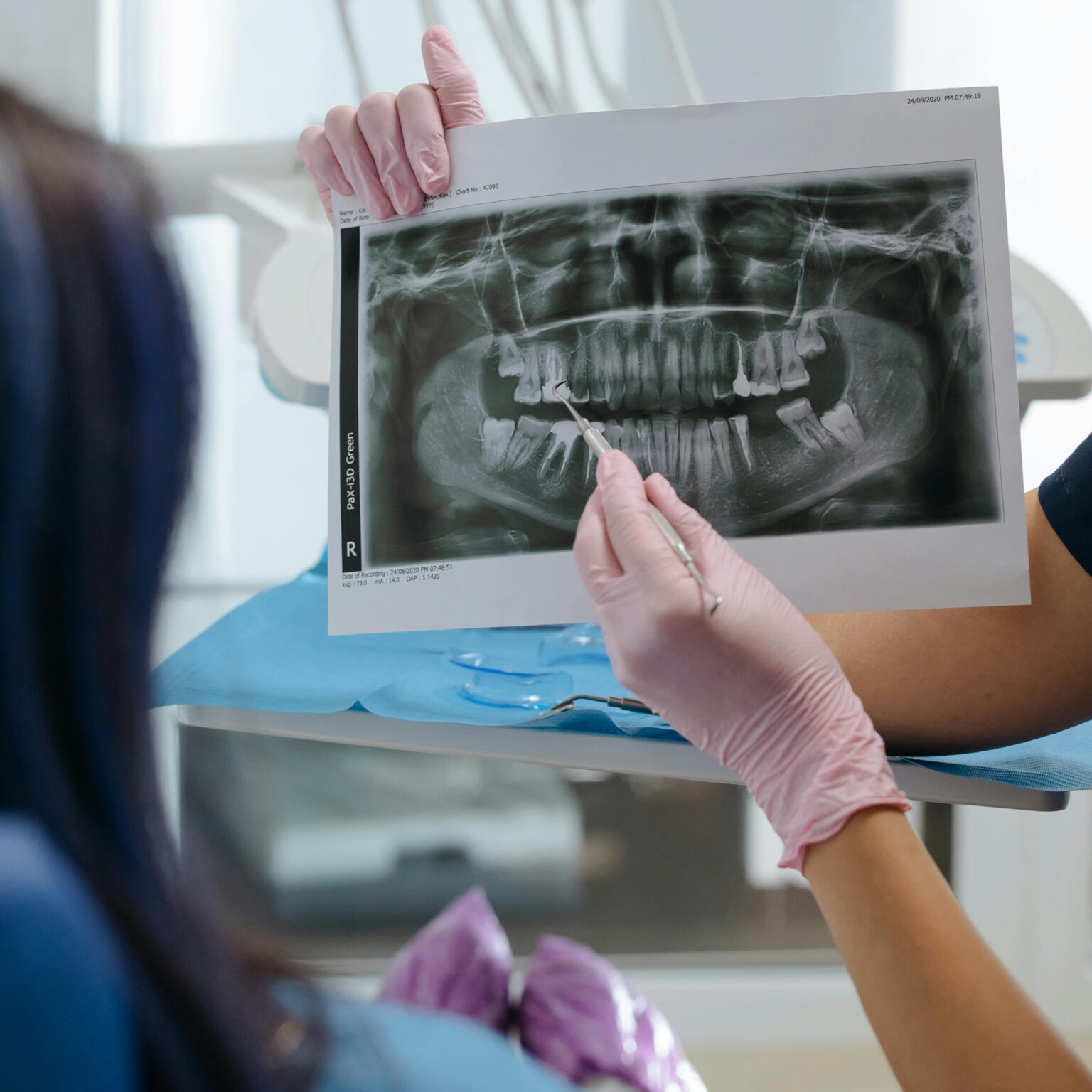
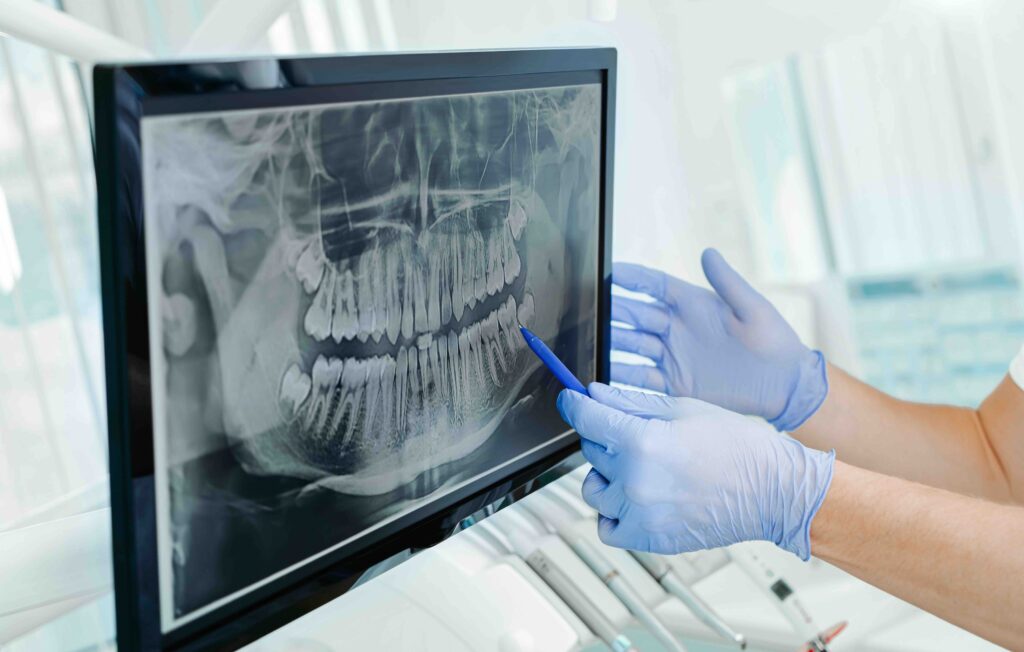
A reputable clinic should want records before giving you anything more than a broad estimate. That usually means recent imaging, often a panoramic X-ray and sometimes a CBCT scan, plus clinical photographs and a medical history. If a provider is making strong promises from a short message and one blurry selfie, caution is warranted.
Why dental implants are uniquely hard to compare
Patients often compare implant offers as if they were comparing airline tickets. The problem is that the headline number rarely tells you enough. Dental implants are systems, not just screws. The implant brand, surface characteristics, surgical protocol, abutment connection, restorative design, lab quality, and material choices all affect the final result.
There is also a major difference between “implant placement” and “completed implant treatment.” Some quotes cover surgery only. Others include the crown, bridge, or denture. Some include sedation, temporary teeth, extractions, and scans. Others do not. A low quote can remain low, but just as often it grows once diagnostics are complete and the case becomes more specific.
When patients tell me they found a “full mouth dental implants” package online, my first instinct is to ask what that package actually contains. Is it fixed or removable? How many implants support it? Is the prosthesis acrylic, composite, zirconia, or a hybrid design? Are there provisional teeth included? What happens if additional grafting is needed after extractions? Without those details, the comparison is superficial.
Even among competent clinicians, treatment philosophy differs. One doctor may recommend immediate placement after extraction where anatomy allows. Another may stage the case and wait for healing. One may favor more implants with a segmented prosthetic design. Another may work with fewer implants and a different load distribution. Neither approach is automatically right or wrong. The question is whether the recommendation matches your anatomy, habits, budget, and long-term maintenance needs.
The savings can be real, but the full cost is larger than the quote
There is no point pretending otherwise. Many patients do save money by traveling for dental implants. In some cases, the difference is several thousand dollars. In larger full-arch or multi-implant cases, the gap can be much higher. But the financial picture should be built around total treatment cost, not only clinic fees.
Travel creates its own bill. Flights, accommodation, local transport, meals, time off work, childcare, and the possibility of return visits all need to be counted. If treatment spans several phases, as implant treatment often does, the savings may narrow. A single implant can sometimes be completed in a relatively efficient sequence, but larger cases often require more than one stay or a longer stay than patients first imagine.
Then there is the cost of uncertainty. If a temporary restoration breaks at home, who repairs it? If a healing abutment loosens, can a local dentist help without access to the original implant components? If gum inflammation develops around the implant, will the overseas clinic advise remotely, pay for local care, or require you to return? None of that means the plan will fail. It means your budget should include some room for the unexpected, because dentistry and healing do not always follow the brochure.
Timing matters more than most patients expect
One of the most common misunderstandings about dental implants is the assumption that everything can be completed during a short trip. Sometimes that is true. Often it is only partly true.
Implants rely on osseointegration, the biological process in which bone heals around the implant surface. That healing takes time. The exact timeline depends on the site, bone quality, implant stability at placement, whether grafting was required, and whether the clinician plans immediate or delayed loading. Marketing language tends to compress those realities into a simple travel story. Actual biology rarely does.
A patient who receives an implant on Monday and flies home on Thursday may feel perfectly fine. That does not mean the treatment is complete. In many cases, it means the surgical phase is done and the Dental Implants integration phase has only begun. Final restorations may need to wait for months, or provisional teeth may need careful handling during healing. If the clinic promises “teeth in a day,” ask whether that means fixed temporary teeth, final prosthetics, or simply implants placed with a same-day bridge that will later be replaced. Those are not the same thing.
Another practical timing issue is swelling and discomfort after surgery. Most patients are comfortable enough to travel after routine implant placement, but comfort varies. A sinus lift, multiple extractions, full-arch surgery, or extensive grafting can leave you swollen and tired. The trip home can feel much longer after oral surgery than it did on the way there.
What to verify before you book anything
The safest patients are not the ones who found the cheapest quote. They are the ones who asked the right questions early and listened carefully to the answers.
- Ask for a detailed written treatment plan that separates diagnostics, surgery, grafting, temporary teeth, final restorations, and follow-up.
- Confirm the implant system being used, including brand, availability of parts, and whether components can be serviced where you live.
- Ask what happens if complications arise after you return home, including who pays for emergency or corrective care.
- Clarify the expected timeline, including how many visits are realistic and how long each stay should be.
- Verify who is actually performing each stage, especially surgery, prosthetic design, and lab work.
That list may sound basic, but it filters out a remarkable number of problems. A clinic that responds clearly, specifically, and without defensiveness is already giving you useful information about how it operates.
Brand matters, but not in the simplistic way marketing suggests
Patients often hear that they should insist on a well-known implant brand, and there is logic there. Established systems tend to have broader research histories, more predictable component availability, and better support if you need maintenance years later. If an implant screw loosens or a prosthetic component breaks, a local dentist is in a stronger position if the system is recognizable and parts can be sourced.
Still, brand alone does not guarantee good treatment. An excellent system placed poorly is still a problem. A perfectly acceptable system used by a careful surgeon and a skilled restorative team can outperform a premium brand handled casually. The details of positioning, angulation, soft tissue management, bite control, and prosthetic fit matter enormously.
A better way to think about it is this: implant brand is one risk-management factor. It is not the whole case. You want a clinic that can explain why it uses its chosen system, how it handles prosthetic maintenance, and whether those parts are realistically accessible in your home country.
The local follow-up question is where many plans unravel
This is the part patients underestimate most often. Dental implants are long-term devices that need periodic review. Even after successful integration, crowns can chip, screws can loosen, gums can inflame, and bite forces can change. If you travel for care, ask yourself who will be responsible for the quiet, unglamorous maintenance phase.
Many local dentists are happy to provide hygiene care and routine review, but not all are willing to take over another clinic’s complex implant work. That is especially true if the records are incomplete, the components are unfamiliar, or the prosthetic design is difficult to service. If you are considering treatment Dental Implants abroad, it is worth discussing this with a dentist near home before you leave. Not after.
I have spoken with patients who assumed any dentist could “just tighten something” if needed. Sometimes that is true. Sometimes a simple adjustment turns into detective work because the implant system is not documented, the prosthetic screws are nonstandard, or the clinic used components that are not easily identifiable. Even obtaining the correct torque specifications can become a nuisance if records are poor.
A good overseas clinic should provide complete documentation. That includes implant brand, diameter, length, position, lot information where relevant, restorative components used, and imaging records. You may never need any of it. If you do, it becomes invaluable.
Online reviews help, but they can mislead
Reviews have value. They also have blind spots. Patients naturally review what they can see and feel in the short term: the friendliness of staff, airport pickup, the appearance of the clinic, the smoothness of communication, and whether the temporary teeth looked good for photos. All of that matters. None of it tells you much about long-term implant survival, maintenance burden, or prosthetic durability.
The strongest signals are often found in the details. Look for reviews written months or years later. Notice whether patients mention follow-up, transparency around additional costs, or how complications were handled. A clinic with only glowing first-week testimonials tells you something about hospitality, not necessarily about outcomes.
If possible, ask for before-and-after cases similar to yours, along with an explanation of the treatment timeline. A single front tooth implant is not comparable to a full-arch fixed bridge after years of bone loss. The more closely the clinic can discuss cases like your own, the more informative the conversation becomes.
Full-arch cases deserve extra caution
When people travel for extensive dental implants, the most dramatic examples usually involve full-arch treatment. These cases can restore function and appearance for patients who have struggled for years with failing teeth or unstable dentures. They can also be demanding, expensive, and technically unforgiving.
With full-arch work, small planning errors have bigger consequences. Implant distribution, angulation, available restorative space, lip support, smile line, speech, and cleaning access all become critical. A bridge that looks attractive in photographs but traps food, compromises speech, or loads the implants poorly will age badly in the real world.
There is also a psychological dimension. Patients who have been embarrassed by their teeth for a long time are often emotionally ready for a dramatic fix. That urgency can make them more vulnerable to glossy promises. If you are considering full-arch treatment abroad, slow down enough to understand whether the proposed solution is fixed or removable, whether it is immediate or staged, and what long-term maintenance will likely cost.
A bridge may need replacement or refurbishment over time. Acrylic teeth wear. Composite stains and chips. Zirconia is durable but not indestructible, and when it fails, repair is not always simple. The clinic should discuss these trade-offs plainly, not sell one material as perfect.
Some red flags are subtle
Patients often expect obvious warning signs, but the riskier situations are not always dramatic. Sometimes the clinic seems polished, the coordinator is responsive, and the photos are beautiful. The concerns show up in what is missing.
Be cautious if every patient appears to get the same plan, regardless of age, bone loss, or medical history. Be cautious if the provider refuses to discuss alternatives, brushes past questions about complications, or pressures you to pay a deposit quickly. Be cautious if the quote is unusually vague or the timeline sounds biologically implausible.
One common soft red flag is when a clinic markets the vacation more heavily than the dentistry. Pleasant surroundings are nice. Good aftercare is better. Another is excessive certainty. Experienced implant clinicians know where the variables live. Bone density, extraction socket anatomy, gum condition, smoking status, and bite forces all influence the plan. Some confidence is reassuring. Total certainty before proper records are reviewed is not.
Travel logistics affect healing more than brochures admit
A practical detail many people forget is that surgery changes the travel experience. You may not want spicy food, alcohol, or a packed sightseeing schedule after extractions or implant placement. If you are having sedation, you need someone reliable with you that day. If multiple implants are placed, especially with grafting, your ideal recovery plan is usually quieter than your vacation instincts.
Try to build a buffer into the trip rather than flying out immediately after treatment. A day or two can make a big difference if you need a review for swelling, pressure from a temporary prosthesis, or a simple bite adjustment. What feels like a small annoyance at the clinic can become a much larger problem once you are in an airport, on a long flight, and unable to reach the treating team easily.
Medication planning matters as well. Make sure postoperative prescriptions are clear, legal to travel with, and understandable in dosage. If antibiotics, anti-inflammatories, or pain medication are part of the plan, know exactly when and how to take them. Miscommunication here is surprisingly common, especially when patients are tired and processing a lot of information quickly.
How to make a sound decision if you are still interested
Traveling for dental implants can make sense for the right patient and the right case. The best candidates are usually organized, realistic about follow-up, and willing to do more homework than they would for ordinary dental care. They understand that savings exist, but they do not treat implants like a bargain-hunting exercise.
A good way to approach the decision is to compare not only quotes, but models of care. Ask yourself where diagnostics happen, where surgery happens, where restorative work happens, and who helps you if something needs attention six months later. If the answer to that last question is vague, your plan is not mature yet.
It can also help to obtain a local consultation before you commit. Even if you do not complete treatment at home, an experienced local dentist or specialist can identify complexity you may not have appreciated. They may also tell you whether the proposed overseas plan sounds reasonable or unusually aggressive. That outside perspective often pays for itself.
The best outcome is a boring one
That may sound odd in a field full of dramatic smile transformations, but it is true. The best dental implant cases are boring after the photos are taken. The implants integrate. The soft tissue stays healthy. The bite is comfortable. The prosthetics are easy to clean. Follow-up visits are uneventful. Years pass without drama.
If you travel for treatment, that is the target. Not a glamorous package, not the lowest quote, not the fastest promise. Just well-planned, well-executed care that still makes sense after the excitement fades and ordinary life resumes.
Dental implants can be an excellent reason to travel, but only when the plan survives close inspection. If a clinic can explain your diagnosis clearly, define the limits of what it knows before seeing you, document the details properly, and show a credible aftercare pathway, you may have a worthwhile option. If the sales pitch outruns the clinical thinking, keep looking. The flight is the easy part. Living with the result is what matters.
Oaks Dental
5000 Parkway Calabasas Suite 308
Calabasas, CA 91302, United States
+1 818-431-2000
FAQ About Dental Implants
What is the downside of a dental implant?
Implants require surgery and a healing period that can last several months. Possible complications include infection, nerve or sinus injury, damage to nearby teeth and failure to bond with bone. Your dentist should assess your health, bone support and alternatives before recommending treatment.
What do dental implants typically cost?
There is no single price for every implant case. The number of teeth replaced, implant components, final restoration and any grafting or extractions affect the total. Request a written estimate covering every stage and confirm insurance benefits and out-of-pocket costs with the practice.
How long do tooth implants last?
An implant can provide long-term support and may last a lifetime with good oral hygiene and regular dental care, but this is not guaranteed. The crown or other restoration may need replacement sooner. Smoking, gum disease and some health conditions can reduce implant success.